CCL Injuries in Dogs: What Owners Notice First
A sudden limp in a back leg is one of the most common reasons dogs end up needing orthopedic surgery.
September 8, 2026 · 3 min read
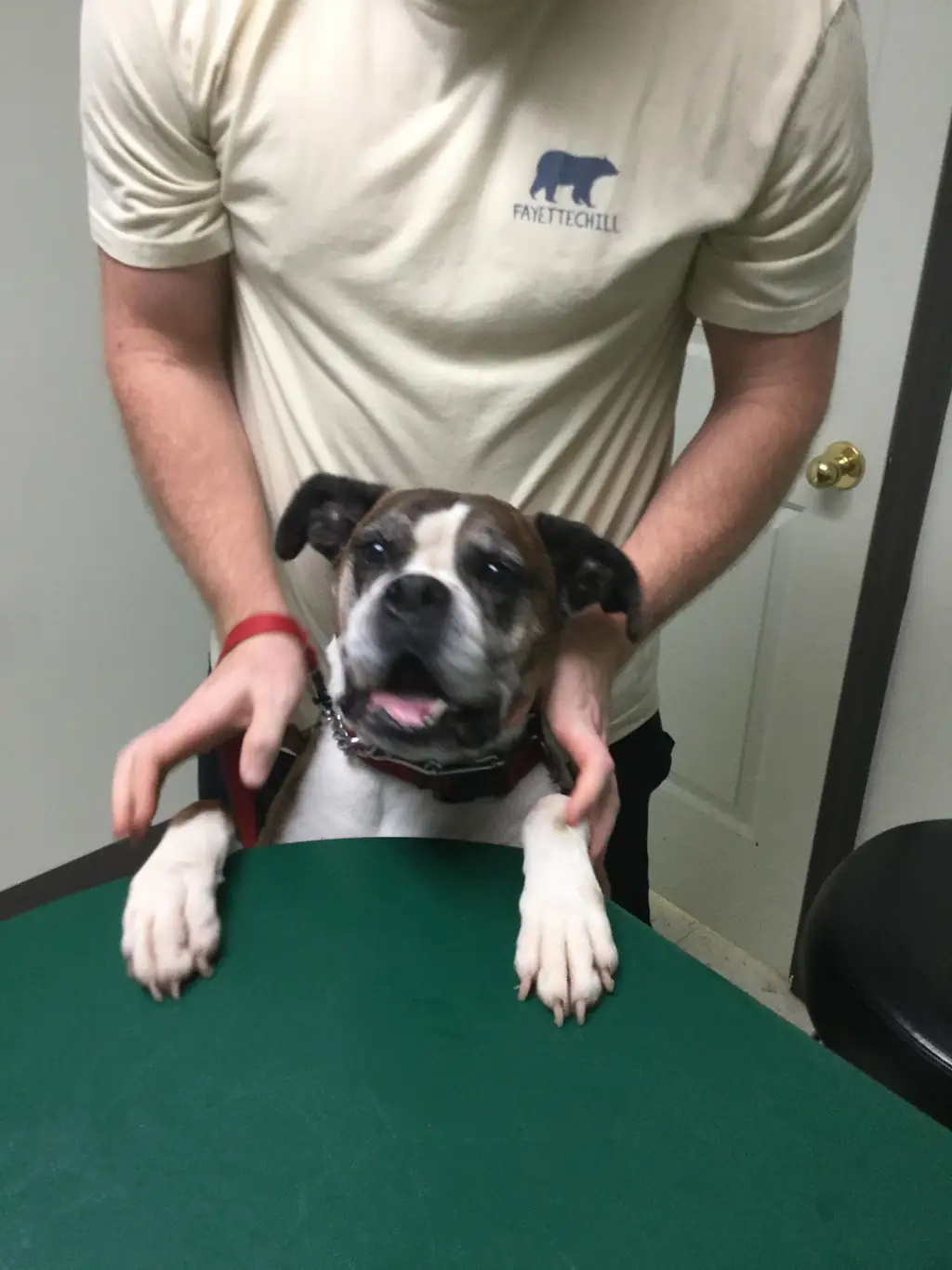
The cranial cruciate ligament, usually shortened to CCL, is a small stabilizing ligament in a dog's knee, and it is one of the most common sources of hind-leg lameness in dogs of almost any size or breed. It is not a rare or unusual injury. It is one of the more routine reasons dogs end up seeing a vet for a limp.
What owners usually notice first
It rarely announces itself dramatically. Most owners describe a dog who is suddenly reluctant to put full weight on a back leg, sits with that leg held out to the side rather than tucked normally, or seems stiff getting up after resting and then loosens up somewhat with movement. Some dogs yelp during the initial injury, often during a run or an awkward jump, while others simply start favoring the leg with no obvious single moment behind it.
- Limping on a back leg that comes and goes, or gets worse after activity
- Sitting with one back leg held out to the side instead of tucked under
- Reluctance to jump into a car or up onto furniture
- Noticeable stiffness after rest that eases somewhat once the dog is moving
How a vet checks for it
Diagnosing a CCL injury usually starts with a hands-on exam, feeling for a specific kind of looseness in the knee joint that is not present in a healthy leg. Some dogs tense up enough during that exam, especially if they are anxious or in pain, that an accurate check requires sedation to get a reliable result rather than a false negative from a dog holding its leg stiff out of guarding. Digital x-ray and in-office lab work are both available on-site, which means the joint can usually be assessed and a treatment plan discussed without a separate trip elsewhere.
Orthopedic surgery, including CCL repair
Woodsprings Animal Clinic performs orthopedic surgery, including CCL repair, alongside soft tissue surgery and routine spay and neuter. One client, Matt M., described the clinic repairing his dog's CCL, back leg knee, and said the staff took very good care of his dog through surgery and the follow-up visits, and that after recovery she was back to running and jumping around like herself again.
What recovery actually involves
Recovery from CCL repair is not a quick turnaround, and it is worth going in with realistic expectations rather than assuming a dog will be back to full activity within a week or two. It typically involves a structured period of restricted activity, follow-up visits to check healing, and a gradual return to normal exercise rather than an abrupt one. Every dog's timeline and specific plan differs, which is exactly why it is worth discussing directly with your vet rather than comparing notes with another dog owner online.
It is also worth knowing that a dog who tears a CCL in one leg carries a real risk of the same injury in the other knee down the line. That is a fair thing to ask about at a follow-up visit, particularly for a larger or more active dog. Keeping a dog at a healthy weight during and after recovery is one of the more practical things an owner can control, since extra weight puts more strain on a joint that is already working to heal.
Risk factors worth knowing about
Any dog can tear a CCL, but larger and heavier dogs tend to place more stress on the joint during everyday activity like jumping and quick turns, which is one reason it shows up so often in bigger breeds. That is not a reason to restrict a large dog's normal exercise out of caution. It is simply useful context for why a vet may ask about your dog's size and activity level when a limp comes up.
If you notice a limp that does not resolve
A limp that clears up in a day is often just a strain. A limp that lingers, recurs, or comes with any of the signs above is worth a proper exam rather than a wait-and-see approach at home. The longer a genuine CCL injury goes unaddressed, the more strain it places on the joint and on the surrounding muscles, which is part of why an early exam tends to lead to a more straightforward recovery.
Woodsprings Animal Clinic — (870) 933-7077
Call (870) 933-7077More articles
Getting Your Dog or Cat Ready to Board
Boarding a pet always comes with a mental packing list. Here is what you actually need to bring, and what is already taken care of.
Heartworm in Dogs and Cats: Why Testing Comes First
Heartworm disease is spread entirely by mosquitoes, and testing is the step that happens before any preventive plan starts.